A predictive model can perform well and still fail to be useful in practice. For Punyisa (Kiki) Suptasan, Product Designer at NEX Health Intelligence, the challenge is turning infection-risk predictions into information that Infection Prevention and Control teams can understand, interrogate and use within their existing workflows. That question: how do we help teams act earlier while keeping the decision in their hands?—has shaped how Kiki and the wider NEX team approach the product.

NEX Health Intelligence
From predictions to practical workflow
NEX’s predictive models estimate which patients may be at greater risk of acquiring an infection. This can help IPC teams prioritise patients for review or targeted screening, but it is not a diagnosis or an instruction.
Our predictions aren’t there to decide what is right or wrong. They’re there to support clinicians’ judgment throughout their workflow.
Kiki’s role is to make those predictions understandable and useful. A risk score in isolation offers limited value. Teams need to see who has been identified, why they may be at elevated risk and the clinical context behind the prediction.
The product therefore presents predictions as one part of a wider patient and ward picture. They help teams decide where to focus their attention; the clinical response remains with the team.
Accuracy is not the only measure of usefulness
Even an accurate model can create friction if its outputs are unclear or do not fit existing working practices.
That is why product development continues with IPC teams after a model has been built. Kiki works with users to understand whether the information is clear, where it fits into their routines and what needs to change across different hospitals.
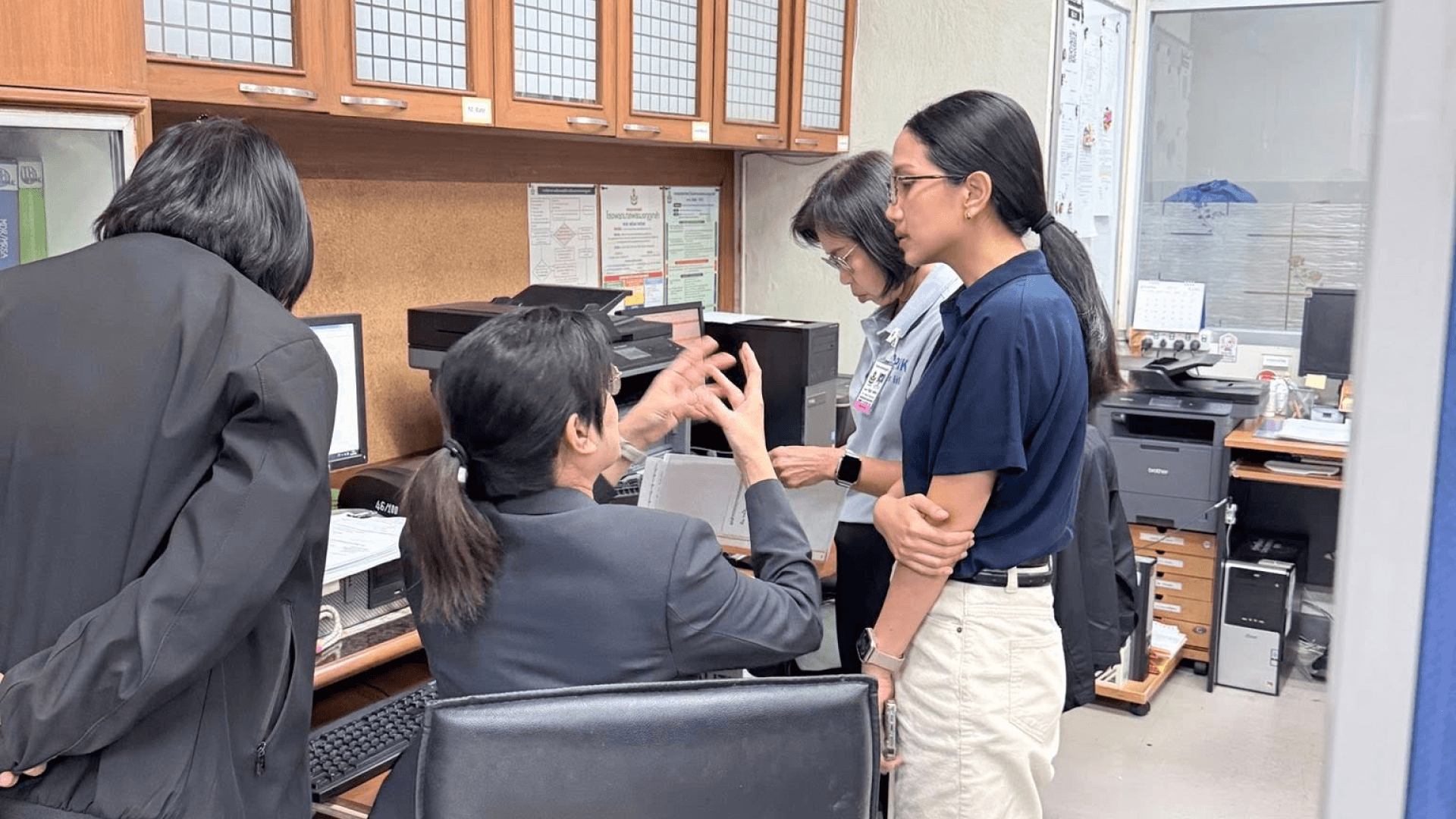
Kiki collaborating side by side with the clinical team to build tools that fit real clinical practice.
Usage data can show which parts of the platform teams use. Speaking to those teams helps NEX understand whether the information is genuinely helping them work more effectively.
Automated surveillance and prediction perform two related but distinct jobs. Surveillance helps IPC teams identify and manage infections and events that have already occurred. Predictive infection intelligence adds another layer: identifying patients who may be at greater risk early enough for teams to consider preventative action.
For Kiki, the goal is not to put an algorithm in charge. It is to give IPC teams clearer information, earlier, so they can make better-informed decisions.